Hallowe’en Fun in the Kindergarten: Part 1

FullSizeRender-13Five years ago was the beginning of a changing lens on Hallowe’en for Christy and I at school.  Our school hallways are traditionally decorated, and a grotesque figure in the main foyer one year upset a Kindergarten child.  She refused to walk past it, and we had to shield her view to usher her into the library which was our destination.  We’ve never forgotten that incident and it continues to shape much of what we do today.

Outside of school, the children have lots to be excited about on Hallowe’en. The idea of dressing up as your favourite character and collecting candy is very appealing.  But Hallowe’en has become noticeably scarier over the years, with more gore and hints of creepiness evident in costumes and commercial decorations.  We struggle every year as we try to focus on the best and most appropriate parts of Hallowe’en for our young students in the classroom.

Reconciling a calm, self-regulated learning environment and Hallowe’en has required some thoughtful planning and reflection on our part.
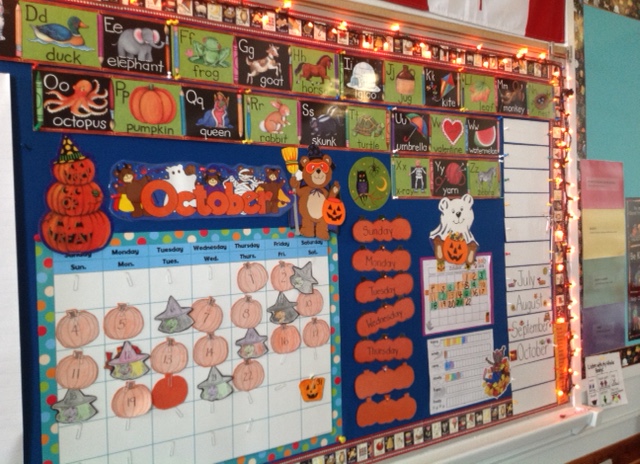
IMG_2027We’ve added some beautiful orange fairy lights along some of our bulletin boards. With the cloudy days being a little darker, the lights are warm and welcoming. We’ve actually just been enjoying looking at the lights and listening to a little Charlie Brown jazz music.  (True story:  as I was hanging up the lights during lunch, one of my students asked, “Mrs. Daudlin, why are you putting up Christmas lights already?”  While I was pondering my response, another student replied, “Oh, those are for Hallowe’en.  She’s going to put up rainbow lights at Christmas.”  How cute is that?)
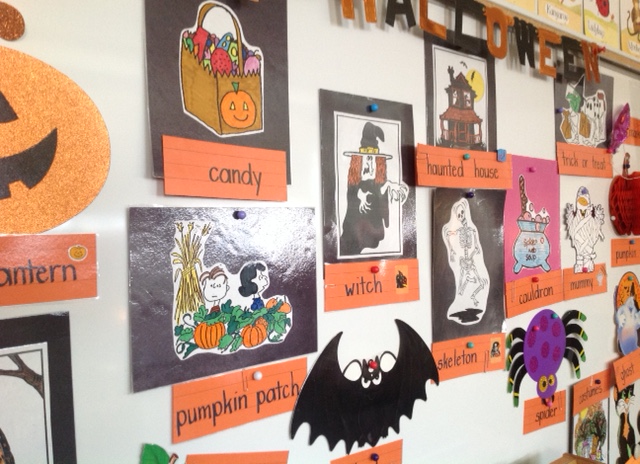
IMG_2026We’re putting up far less Hallowe’en “stuff” on our walls.

Instead, we brainstormed some familiar Hallowe’en vocabulary and created a Hallowe’en word bank with pictures and labels to support the children in their drawing and writing.

We’ll be learning about the life cycle of the pumpkin and the names of the various stages.

And we’re providing more opportunities for oral language as we sing FullSizeRender-15Hallowe’en songs and chant poems.

We’ve created some fabulous Hallowe’en themed art to decorate our classrooms.
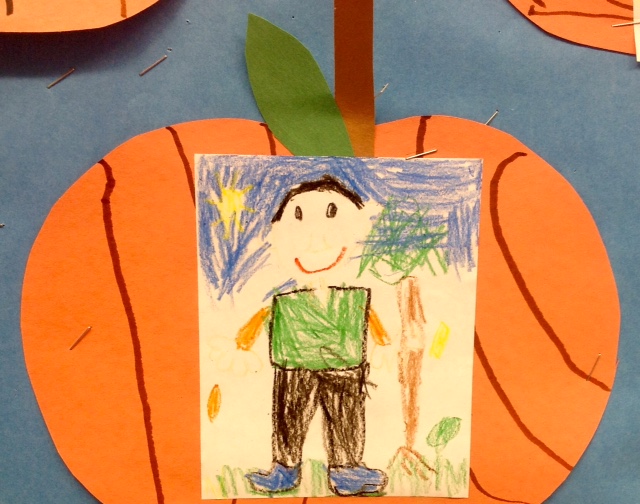
FullSizeRender-14We drew and coloured our beautiful monthly self-portraits.  We love looking back at the growth in maturity as the children’s drawings of themselves become more sophisticated over the school year.

Deep Space Sparkle Pumpkins. We introduced warm colour mixing with red, yellow and orange on pumpkins we had drawn with white pastel. We mixed the paint right on the paper.  Then we were inspired by a photo of some pumpkin art from our Principal. We found ourselves cutting out our pumpkins to mount on black paper, then added painted paper stems, leaves and grass.  We’ve hung them up quilt style, and next week, we will add the Jack-o-lantern features for some Hallowe’en fun.  These are our favourite kinds of art projects as we love creating the anticipation for completion.  We will have taken three weeks from start to finish, and our children are learning the valuable lessons of patience, perseverance and delayed gratification.

FullSizeRender-11

Hallowe’en Wreaths.  Our wreaths are in progress as we make them with our Grade 7 Buddies.  Each Big and Little Buddy pair use tracers to trace and cut out the four shapes of pumpkin, bat, moon and ghost.  These are decorated simply with crayons, and glued onto a wreath shape.  Bows and stickers are the final details to complete our sweet project.

FullSizeRender-12Of course a holiday post from us would not be complete without a booklist.  Here’s the best of what we’re reading to the Kindergarten for Hallowe’en.


  • Franklin’s Hallowe’en (Paulette Bourgeois and Brenda Clark)
  • The Fierce Yellow Pumpkin (Margaret Wise Brown and Richard Egielski)
  • Harriet’s Hallowe’en Candy (Nancy Carlson)
  • Ten Little Beasties (Rebecca Emberley and Ed Emberley)
  • Seed, Sprout, Pumpkin, Pie (Jill Esbaum)
  • A Day at the Pumpkin Patch (Megan Faulkner and Adam Krawesky)
  • The Pumpkin Book (Gail Gibbons)
  • It’s Pumpkin Time (Zoe Hall and Sheri Halpern)
  • The Littlest Pumpkin (R.A. Herman and Betina Ogden)
  • Little Goblins Ten (Pamela Jane and Jane Manning)
  • The Biggest Pumpkin Ever (Steven Kroll)
  • From Seed to Pumpkin (Wendy Pfeffer and James Graham Hale)
  • 10 Trick-or-Treaters (Janet Schulman and Linda Davick)
  • Big Pumpkin (Erica Silverman and S.D. Schindler)
  • One Spooky Night (Kate Stone)
  • Too Many Pumpkins (Linda White and Megan Lloyd)
  • The Little Old Lady Who Was Not Afraid of Anything (Linda Williams and Megan Lloyd)
  • The Pumpkin Blanket (Deborah Turney Zagwyn)

One of the benefits of a simpler Hallowe’en has been to downsize our decorations.  We’ll be making the drive to the Salvation Army this weekend.

This Week in Our Room:  October 19-22, 2015

This week we learned the correct formation for the letter “E.”  As we are brainstorming ideas, segmenting words and labelling our pictures, the children are solidifying the sound/symbol relationship of each of the alphabet letters.

In Math, we’ve been creating AB, AAB, and ABC patterns using manipulatives during our Math rotations.  This week we represented our learning by choosing a pattern and creating a patterned frame around our name.

IMG_2021

Our school watched our first Cultural Event, “Marimba Muzuva” on Wednesday.  We were delighted with the children’s audience behaviour; they sat politely and listened for almost an hour in a very hot gym.  The children were able to enjoy some of the songs, stories and dances of Zimbabwe and participated with clapping, chanting and dancing with the rest of the student population. Thank you very much to our RPAC for sponsoring this event.

Reminders

It’s a Professional Day tomorrow and students are not in session.  We are attending the Canadian Self-Regulation Initiative Leadership Roundtable tomorrow, “Building School Capacity to Support Student Success:  Creating Quality Learning Environments Through a Self-Regulation Lens.”  We look forward to learning more about creating the best self-regulated learning environment we can for our students.

Library Day is Monday for Division 15, and Tuesday for Division 16. Please return your Library Book so you may borrow a new one.

Our classes are starting to catch colds and coughs and some children have had fevers.  It’s probably a good time to review the use of Kleenex, hand washing and coughing into your elbow at home again with your child.  If your children are sick, please keep them at home.  We know the children want to come to school but they simply do not have the stamina and energy required for the full day.  As their parents, you can and should make that decision for them.  The children need to stay at home, and come back to school rested and in good health.

Next Wednesday we are holding our annual Hallowe’en Centres party for our children, from 9-10:30. The children do not need to dress up in their costumes, but they may certainly wear their Hallowe’en t-shirts, black and orange, headpieces and jewelry.  They will be very busy participating in Hallowe’en themed activities!

All next week Ridgeview will also be collecting non-perishable food items for the “We Scare Hunger” Campaign, sponsored by our Grade 7 Me to We team.  Please send the donations to our classroom and your children will deliver them to the collection area in the main hallway.

Friday, October 30, is another great Ridgeview tradition:  Our annual Hallowe’en Parade and Assembly.  All students are invited to dress up in their Hallowe’en costumes.  Please remember not to send in any items that resemble weapons.  Our Principal will lead our costumed students through our hallowed hallways as we make our way to the gym for a fun assembly of Safety Information, songs and stories.  This will take place from 9:15-10:00.

Reading with Your Kindergarten Child: Establish an Atmosphere for Reading at Home

IMG_4073School’s out, our classrooms are tidied up and we’re officially on holiday, and that includes writing for our blog! But we’re reposting some great articles over the next two months that you may have missed, to read and catch up with the website.

With the summer break and the hot weather we’re having right now, we love to spend some time out of the sun doing one of our favourite activities: reading. Just the thought of freedom to read whatever we want, for as long as we want, is a delicious moment to savour! It’s a great chance to visit your local library, favourite book stores, or even peruse old favourites from your home library, for reading material.

Exploring secondhand bookstores is another fun thing to do with your family. We both love to buy old books to complete collections of series we started in childhood (I own every copy of the original 65 Nancy Drew books; and Christy, the entire A.A. Milne Winnie the Pooh series); or old copies of a favourite English series, Thrush Green by Miss Read, wonderful books about a fictional Cotswold village. The two schoolteachers, Miss Watson and Miss Fogerty, remind us that although our methods and curriculum might have changed, the sheer delight in working with young children remains the same.

Visiting new and used bookstores while we travel is a must. If you’re in Victoria, British Columbia, you must visit Russell Books, on Fort Street. It’s just up a few doors from the delectable Dutch Bakery where you can indulge your sweet tooth.

If you’re going down the coast, Village Books in Fairhaven, Washington, is a great destination. They have a wonderful children’s book section, and a lovely gift shop with an old fashioned candy area.

IMG_4067For those travelling through Oregon, you have to go to Powell’s Books in Portland Oregon. Go upstairs to the coffee bar for a coffee and cookie–absolutely fabulous! Warning: we spent only a morning at Powell’s and felt rushed. If you have a family of book lovers, you’re going to need time as it is takes up an entire city block! We bought 18 books on our last visit, and Christy’s family a mere 14, and getting down to those numbers was a huge challenge at best.

So now that you’ve bought all your books, time to start reading at home.

thekinderteam's avatarThe Self-Regulated Teacher

sunshine readersA few weeks ago we started a Home Reading Program for our Kindergarten classes.

It’s just a simple program of emergent books and readers, where the children independently select a book to take home to read with their parents three times a week.   We have our book exchange during Centre time.  We call the children over to choose their book by our “bookkeeping” method of the ziploc bags where we’ve written their names and keep the individual books.  After the children select their new book and put it into the ziploc, they place the book inside their backpacks to go home.

Home Reading is a fun opportunity for our students to read aloud books appropriate for their reading level to their parents. But it’s not meant to replace the nightly bedtime story.

The cozy and comforting routine of a bedtime story is one of our strongest memories. We still have…

View original post 835 more words

Once Upon a Fairy Tale

IMG_3890Fairy Tales is one of our favourite genres to read and explore with our Kindergarten children.  They form an important part of our literary culture going back to the stories of French author and poet, Charles Perrault (1628-1703) and the Brothers Grimm, Jacob (1785-1863) and Wilhelm (1786-1859) of Germany.

Perrault took eight existing folk tales of the time, which were shared through storytelling, and wrote them down as stories creating a new genre, fairy tales.  He is known for what might be considered the “classic” fairy tales including “Cinderella,” “Little Red Riding Hood” and “The Sleeping Beauty.”  He published Tales or Stories from Times Past, with Morals (subtitled Tales of Mother Goose) in 1697 under the name of his son, Pierre.

The Brothers Grimm were scholars who were also interested in recording the storytelling tradition of fairy tales. Stories such as “Hansel and Gretel,” Rapunzel” and “Rumplestiltskin” were published in the volume Nursery and Household Tales (1812),  and eventually retitled as Grimm’s Fairy Tales.  One interesting fact is that these stories were originally not written for children as the content was considered to be too harsh.  However, over time the stories have been revised as to be suitable for young readers.

There are often references to fairy tales in more recent literature, so it’s important that our students have a firm foundation in these stories to understand what they are reading now, and in the future.

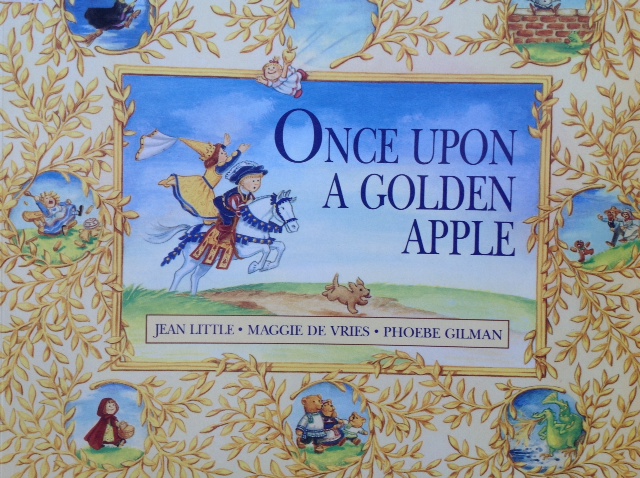
We always start our Fairy Tale theme by reading Once Upon a photo 1-3Golden Apple (1991) by Jean Little, Maggie De Vries and Phoebe Gilman.  This is a fairy tale that incorporates elements from a variety of well known stories and nursery rhymes and can test the knowledge of a children’s literature expert.  We ask the children to try to name as many of the fairy tales and nursery rhymes they know that are referred to in the book.  This year we were amazed at how many they identified.  We spent a fun morning reciting and laughing our way through familiar nursery rhymes such as “Humpty Dumpty,” “Little Miss Muffet,” “Little Boy Blue” and “Jack Sprat” among others.

Our discussions revolve around common elements in fairy tales such as how most stories begin (“Once upon a time….”) and end (“And they all lived happily ever after.”).

We’re looking at some of the more well-known archetypes of heroes and heroines (typically wise children who make good choices) the Baddies (usually an adult of some type, or large furry creature) and talking animals.  Sometimes we find there is a magical person (fairies, wizards and witches) or objects (apples, mirrors and wands).

We also focus on how the number 3 is important in fairy tales (3 Pigs; 3 Billy Goats; 3 Bears, Goldilocks does 3 things (eats porridge, sits on chairs, lies on beds) at the Bears’; the evil step-mother visits Snow White 3 times) as we read each of those stories.

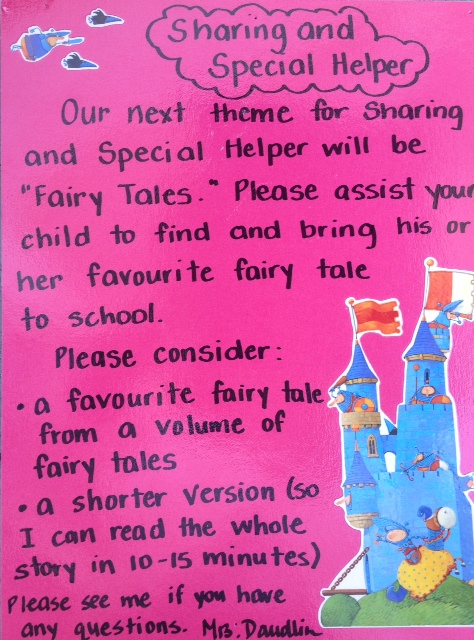
photo 2-3This month’s Sharing Theme has focused on Fairy Tales.  We’ve asked each Special Helper of the Day to bring a fairy tale to school for us to read aloud to the class at Storytime.  What a delightful assortment of volumes, stories and vintage books that have come our way!  Some of our students have brought their parents’ childhood fairy tale books (really fun to look at); we’ve seen the entire Disney Princess line-up; and we’ve been introduced to a collection new to us, Mary Engelbreit’s Nursery Tales: A Treasury of Children’s Classics.  We love it when two or more children bring the same fairy tale as it’s a wonderful opportunity to compare and contrast the different versions.

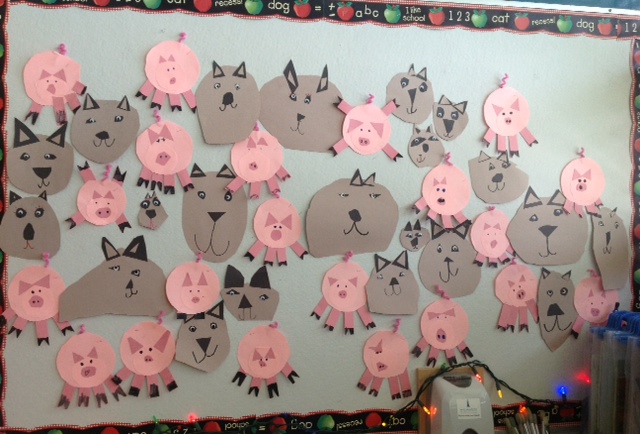
For teaching purposes, the first story we read was “Little Red Riding Hood,” to teach about story structure (beginning, middle and end) and we worked on our Wolf craft.

Our second story was “Goldilocks and the Three Bears” to reinforce our learning about how stories are organized.  We made stick puppets of the Bears to practise retelling the story in our own words.

This week we read the “The Three Pigs,” and sequenced the main events in a little booklet.  We see some interesting times ahead now that our “Little Red Riding Hood” wolves have met up with the our “Three Little Pigs.”

photo-14

We hope it’s all going to end happily ever after….

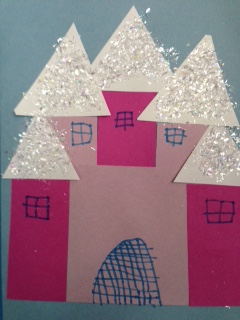
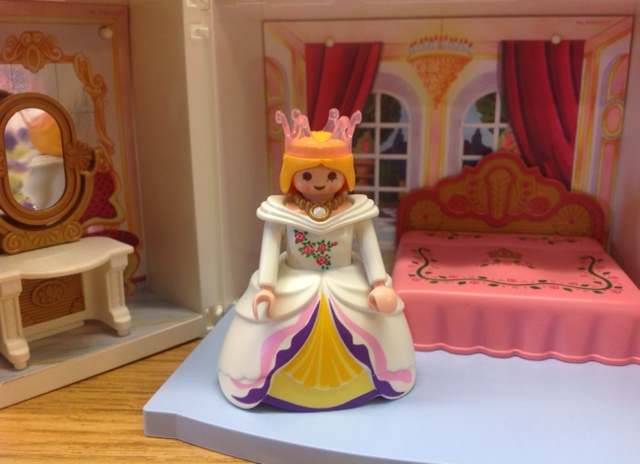
A reminder to moms and dads, that it’s Prince and Princess Day in the Kindergarten on Tuesday, June 16.  Boys and girls may dress up in their “royal” attire to celebrate the end of our study on Fairy Tales!

IMG_3893

Reading with Your Kindergarten Child: Literacy Awareness – A Book is More than a Story

photo-10Do you love reading as a pleasurable, down-time activity?

Do you have a list of books to read that will take at least two lifetimes to complete?

The importance of regular modelling of reading by all us, parents and teachers, cannot be taken too lightly.  The children are looking to us to see if we place a high value on reading through our words and actions.

Last week we wrote about creating a home environment that places reading as a priority to foster a love of reading and literature in our children.

As teachers, our students see us reading a lot.  From the attendance form to story time books, teaching books to charts and labels, our students see us doing a great deal of purposeful reading in our day.

Here are some things we think about as we are reading to and with our students that you can do during your own daily reading with your Kindergarten child at home.

Reading to Your Child

  • Fluency.  As teachers and parents, we want to read aloud the story as fluently as possible.  We get a lot of practise with some of the favourite read-alouds we’ve read to students many times over the years.  However, when we can, we still read new stories to ourselves first before reading them aloud to the children.  Of course, this is more difficult when you are reading longer texts and novels but for picture books with a lot of dialogue, we want to get the intonation of the character voices “just right.”
  • Expression. Demonstrate your interest, enjoyment and enthusiasm in your children’s selected storybook, and you can make even the most banal of words sparkle with excitement for them.  We really try to have fun with the character voices in a book, and take a great deal of delight in the children’s laughter (sometimes we are laughing so hard at our own reading we have to stop the story…really!). After all, who doesn’t love creating the Wolf’s voice as Grandma in “Little Red Riding Hood”?

Reading With Your Child

  • Take a “book walk” with your child before reading a new book.  Ensure that your child can see the pages, and that you have one hand free to “track” the text (point to the words) as you are reading and to focus on key details in the pictures which may aid in your child’s comprehension of the story.
  • Draw attention to the title of the story by helping your child find the front cover of the book.  Point out the differences between the front and back covers.
  • Make predictions about what the story will be about based on the title.
  • Look at the author’s and illustrator’s names and discuss the differences in their roles, in addition to their names.  Make connections by trying to think of books you’ve already read by them, or anyone you know who has those names.
  • Comment on the title page and the dedication page.  Speculate on who the people mentioned in the dedication might be.
  • Gradually develop your child’s awareness of where stories start (Where is the first word on this page?) and which way the print goes (Show me which way you read; Show me where we read next).

Interacting With the Print

Drawing attention to the print should be an incidental, rather than a continuous activity.  In other words, it’s not necessary to use all of these suggestions each time you read a story; instead, just pick and choose what you and your child enjoy most.

  • The beginning and endings of the story, eg., most Fairy Tales begin with “Once upon a time….” and end with “…and they all lived happily ever after.”
  • Unusual print in the story, eg., words in upper letters (BOOM!); words in speech clouds (speaking aloud) or thinking bubbles (silent thoughts); animal sounds (Woof, Meow, Mooooo).
  • Names and names of places, eg., all start with an uppercase letter.
  • Repetitive words, eg., “Sometimes it looked like a Rabbit.  But it wasn’t a Rabbit./Sometimes it looked like a Bird.  But it wasn’t a Bird.” (From It Looked Like Spilt Milk, by Charles G, Shaw)
  • Rhyming words, eg., “Humpty Dumpty sat on a wall, Humpty Dumpty had a great fall.

Encourage Your Child to Participate in the Reading

You can encourage your child to participate in the story by:

  • Pausing at certain points to enjoy the rhythm of the language, admire a beautiful picture or count the number of times the “Letter of the Week” occurs on a page.
  • Being careful to read aloud at a pace that allows for your child’s participation.
  • Engaging in “echo reading,” eg., you read a phrase or sentence and your child repeats it, or your child completes the next rhyming word or line (we use this second idea a lot with rhyming text in class).
  • Taking turns to read the character’s dialogue, eg., sharing the Wolf’s big scene, “The better to hear/see/eat you with” in “Little Red Riding Hood.”
  • Giving your child the opportunity to “read” as much of the story as possible, particularly repetitive text or dialogue, eg., Brown Bear, Brown Bear, What Do You See? by Bill Martin Jr. and Eric Carle).
  • Praising any participation in “reading” the story by your child.
  • Enjoying the cozy time you have spent together, parents and child, reading aloud a great book.

Source:  “Language and Literacy in the Primary Years,” A Parents’ Information Booklet from Ridgeview Elementary (1997/98).  Updated by The Self-Regulated Teacher at theselfregulatedteacher.wordpress.com (2015).

Reading with Your Kindergarten Child: Establish an Atmosphere for Reading at Home

sunshine readersA few weeks ago we started a Home Reading Program for our Kindergarten classes.

It’s just a simple program of emergent books and readers, where the children independently select a book to take home to read with their parents three times a week.   We have our book exchange during Centre time.  We call the children over to choose their book by our “bookkeeping” method of the ziploc bags where we’ve written their names and keep the individual books.  After the children select their new book and put it into the ziploc, they place the book inside their backpacks to go home.

Home Reading is a fun opportunity for our students to read aloud books appropriate for their reading level to their parents. But it’s not meant to replace the nightly bedtime story.

The cozy and comforting routine of a bedtime story is one of our strongest memories. We still have our childhood books: volumes of Mother Goose nursery rhymes, Fairy Tales, Just So Stories and Nancy Drew Mysteries; our favourite books include Anne of Green Gables, The Secret Garden, Little Women and Alice in Wonderland.

storybook

When our own children were born, reading the bedtime story was something we were so looking forward to doing. We were collecting storybooks to read aloud to our classes, and now we would also be able to share them with our children.

So what can you do to support your child’s love of reading and literature?

Create an atmosphere for reading at home

Books should have a place of their own at home, and be accessible at all times. Part of teaching your children to be a good reader and book lover is showing them how to care for books.  At school we have insisted on careful and respectful behaviour towards books.

  • Pick up a book carefully in one hand, or both hands if it’s a bigger book
  • Close the book when you are finished reading
  • Hold the book with both hands against your chest when walking with it
  • Put the book back on the shelf or book rack, right side up and cover facing out

Selecting books. When selecting a book, the most important thing is will your child enjoy it? Introduce new books regularly to your child. If your child has not already signed up for a membership at the Public Library in your community, now is the time. The Kindergarten children have been well taught by our Teacher-Librarian, and are able to conduct themselves appropriately in the library. This includes independently choosing a book.

Have a regular time and place for reading. Routines help us to get things done, and if it’s followed enough times it can, and will, become a good habit. For your nightly read-aloud, pick a time when you are ready to enjoy a story with your child. Many families read a story just before the children go to sleep in their beds. In our homes we sat on the sofa, with a child and book on each side. The bedtime story has to be a priority, more important than checking a Facebook newsfeed or watching “Sports Centre.” Being “present” with your child, enjoying one another’s company with a good story will make reading time very special for parent and child.

Regular modelling of reading by parents and older members of the household is essential. How do you see the role of reading in your life? To foster a love of reading, your children need to see you reading:   books, magazines, newspapers, recipes, comics and even work related documents. A lot of reading seems to be done via a personal digital device these days which is okay, but if you want your kids to read print, then that’s what they need to see you doing.

Choose books of different genres, such as Fairy Tales, poetry, wordless books, non-fiction animal books; and themes such as “Growing Up,” “Families,” holidays, personal interests and hobbies. Reading books of various lengths also teaches young readers that a powerful message or lesson doesn’t always need to be told through a long story.

At this early stage, most children are attracted to picture books or beginning chapter books which will need to be read aloud by you. These books can and should be above the children’s independent reading level. The books you are reading aloud will have the rich, diverse vocabulary and more complex sentence structure that will benefit your child’s oral vocabulary.

Finding books for your beginning reader to read independently is harder; that is how the home reading program tries to bridge the gap as we have access to the “little books” with simple vocabulary, predictable patterns and repetitive, rhythmic and rhyming language. Ask your community librarian to help you find books with these same characteristics at your local library.

We’ve written before that books are a gift that can be opened again and again. Why not consider establishing some new traditions around books like a special hardback book for each birthday with a special inscription from you? Instead of a big chocolate treat for Valentine’s Day or Easter give the joy of a beautiful book which will last so much longer, and just a small chocolate goodie. Suggest to friends and relatives that they also might give books as presents.

Our own children are teenagers now and moving into their senior years at high school this fall. Although we don’t read aloud stories or novels to them anymore, as families we still speak fondly of memories about books read aloud in the past.

Books, laughter, love…we’d call that some serious family bonding time.

Next week we’ll discuss reading to and with your child, and offer some suggestions on what you can do to encourage literacy awareness at home.

Source: “Language and Literacy in the Primary Years,” A Parents’ Information Booklet from Ridgeview Elementary (1997/98). Updated by The Self-Regulated Teacher at theselfregulatedteacher.wordpress.com (2015).


Fairy Tale Booklist and Royal Kinder Portraits

photo-5We told you last week that we had something very royal to show you.  But before we do, we wanted to share our growing Fairy Tale Booklist.  We’ve read some of these stories already, with more still to come.  We thought you might want to know some of the titles we’ve read up to this point, in case you wished to discuss them with your child.

Rumpelstiltskin (retold by John Cech and illustrated Martin Hargreaves)

The Princess and the Pea (retold by John Cech, illustrated by Bernhard Oberdieck)

Yummy : Eight Favourite Fairy Tales (Lucy Cousins)

The Balloon Tree (written and illustrated by Phoebe Gilman)

Chicken Little (Sally Hobson)

Once Upon a Golden Apple (written by Jean Little and Maggie De Vries, illustrated by Phoebe Gilman)

The Kissed That Missed (David Melling)

Cinderella Penguin or The Little Glass Flipper (Janet Perlman)

Aladdin and the Wonderful Lamp (Random House)

Hansel and Gretel (Random House)

Somebody and the Three Blairs (written by Marilyn Tolhurst, illustrated by Simone Abel)

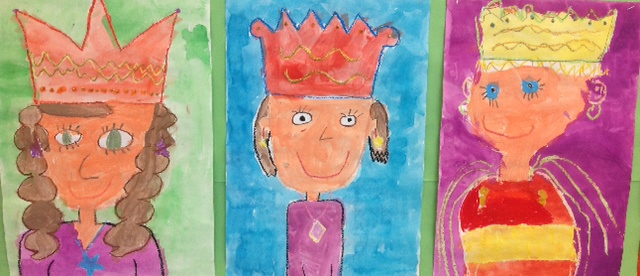
We’ll leave you here with what you’ve been waiting for…the gorgeous gallery of Fairy Tale Kinder Portraits.

From Deep Space Sparkle...

From Deep Space Sparkle…

Fairy Tale Royal Kinder Portraits

Fairy Tale Royal Kinder Portraits

Be Full of the Joys of Spring

FullSizeRenderBe full of the joys of Spring…feeling happy, full of energy and enthusiasm. We’d say that pretty much describes the Kindergarten!


We’ve been, at least until the end of this week, enjoying some wonderful Spring weather in West Vancouver.  Here’s some of the fun things we’ve been doing in class over the past few weeks.

Earth Day

It was Earth Day on Wednesday, so we started our celebrations with some energy saving measures.  We kept the lights turned off all day (including our twinkle lights) and were diligent about turning off the tap quickly after washing our hands in the classroom.

photo 1-9We read another book by the amazing Todd Parr, The Earth Book, recalled the main ideas of how to look after our Earth better and added on a few of our own, such as “Looking after our people and animals friends.”  We each made a page for our class book to enjoy for the rest of the year.

Christy and I recently attended a BC Hydro sponsored workshop in

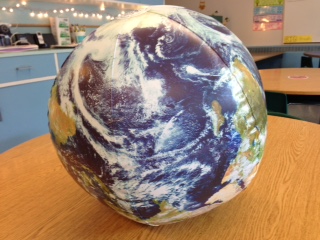
IMG_3780 our school district called “Energy Explorers” to learn about some new and exciting ideas about energy use and conservation for Kindergarten learners.  We received a lot of great stuff such as a teacher’s guide, big book and student resource books, but it was this fabulous earth ball that had the Kindergarten really intrigued.  The children were fascinated watching us blow it up (it’s quite big).  At the end of the day, after all of our discussions and what we could do to conserve our Earth’s limited resources, we passed around the “Earth” and each child stated what he or she would personally try to improve.  We had a number of children say they would try “to not waste food and eat the leftovers….”  Isn’t that awesome?

Signs of Spring Sharing

For Sharing and Special Helper this month, the children have been bringing in a “Sign of Spring” sharing.  We’ve been treated to many wonderful items, including photos of our children in their gardens at home, drawings, plants and bouquets, and the children’s gardening tools like sweet little gloves and watering cans.

Zucchini Sharing!

Zucchini Sharing!

Watering Can Sharing!

Watering Can Sharing!


Spring Books

photo 3-7As always, we have some wonderful books about Spring and the seasons that we’ve been reading aloud to our classes.


  • Spring (The Seasons) (Barron’s)
  • Waiting for Wings (Lois Ehlert)
  • I See Spring (Charles Ghigna, Ag Jatkowska)
  • My Favourite Time of Year (Susan Pearson, illustrated by John Wallner)
  • A Book of Seasons (Alice and Martin Provenson)
  • The Year at Maple Hill Farm (Alice and Martin Provenson)
  • Spring (Sian Smith)

Spring Crafts

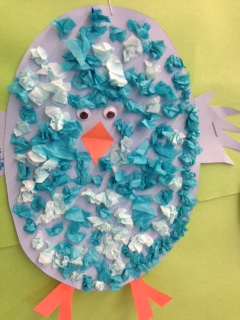
We’ve made more wonderful Spring crafts to decorate our classrooms.  We’ve said it before, but one of the things we love about creating art or crafts is breaking down the steps over a few days so we can all really enjoy each step of the process.  It gives us a natural way to delay gratification and creates anticipation for when we get to work on a particular project again. Blue Chicks: We made our blue chicks by crushing single squares of tissue and gluing them on with liquid glue to a construction paper backing.  We’re always looking for activities that allow our children to develop their fine motor skills and this one was great as the children had to pick up the tissue paper squares, rub them together to separate the layers and then individually crush each one to glue it on.  We took about three art classes to finish.  Working with our hands while listening to great music is a calming activity and very satisfying for our classes.

IMG_3781


Robins:
photo 2-8These cute robins were cut out earlier by ourselves and the children followed our direct instructions to draw in the eye, tummy and feathers as a class.  Later that week, in small groups, the children were very interested in watching us make a cut in the bird, using an exacto knife, for the wings.  The wings are a square piece of crepe paper which the children folded as a fan and we slipped through the cut.  They look really adorable hanging from the ceiling, fluttering in the spring breeze when our windows are open.

It’s hard to believe we’re almost at the end of April. We’re enjoying this time in the school year so very much with our students.

Be full of the joys of Kindergarten.

Literature Based Winter Art

For this week’s book post, we thought we’d share with you some of the beautiful artwork our classes are creating based on two amazing books we read in class on the theme of Winter. You’ll recognize these titles from our post Time to Cosy Up with a Good Winter Book.

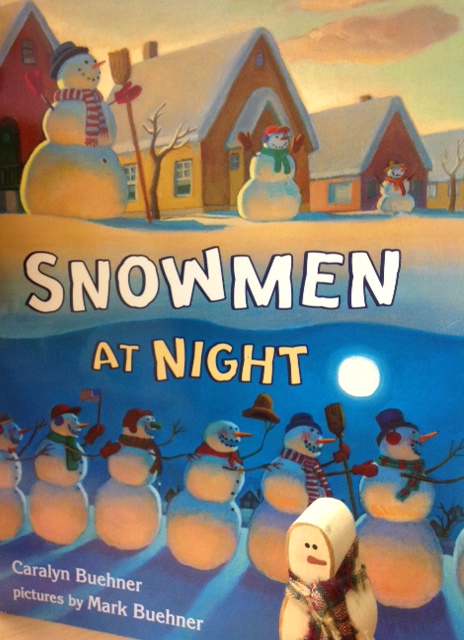
nightSnowmen at Night by Caralyn Buehner, illustrated by Mark Buehner.

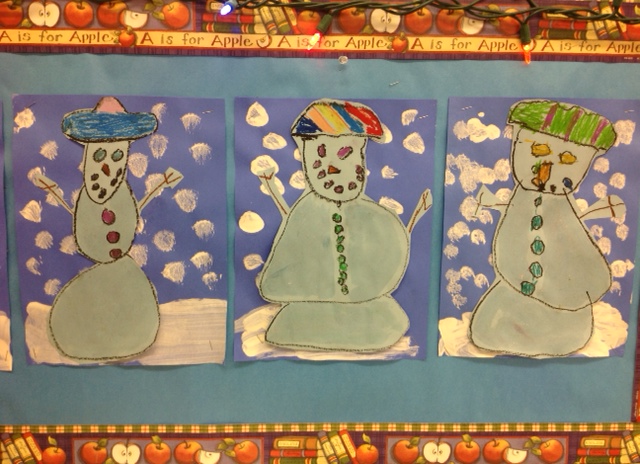
To create these adorable snowmen pictures, we had our first foray into the world of oil pastels. Pastels are a great art tool for our Kindergarten children. Because the pastels are softer than crayons, the children do not need to press as hard but they still get the vibrant colour when drawing and colouring. First, we drew our snowmen and added the details. Then we used Sparkle Mod Podge to give the snowmen a nighttime sparkle effect. For the backgrounds, we painted white “snow” using blue, rather than black, paper for a more luminous look. The children cut out their snowmen before carefully gluing them to the painted backgrounds.


night snow

 This idea is from our favourite Art website, Deep Space Sparkle.


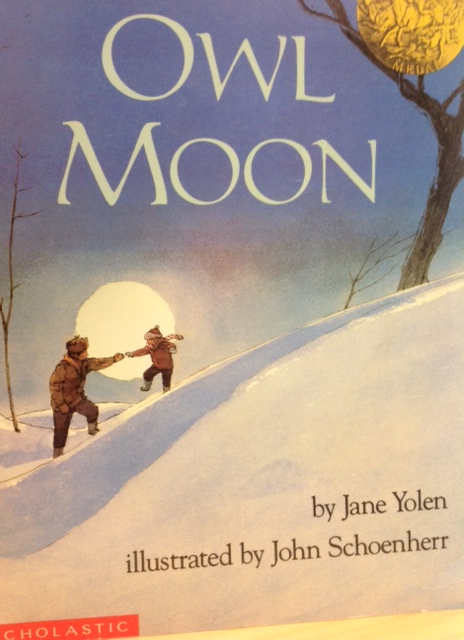
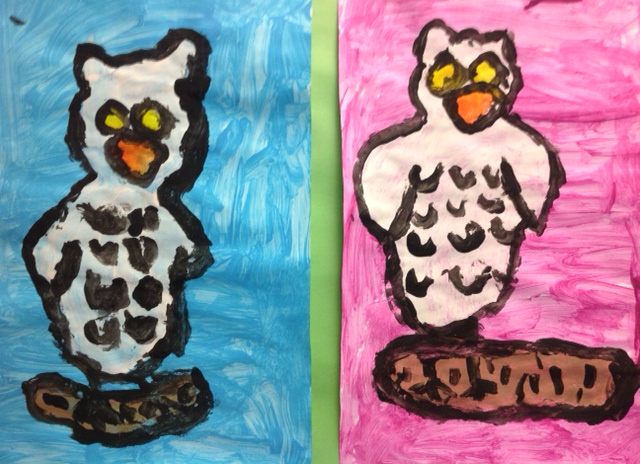
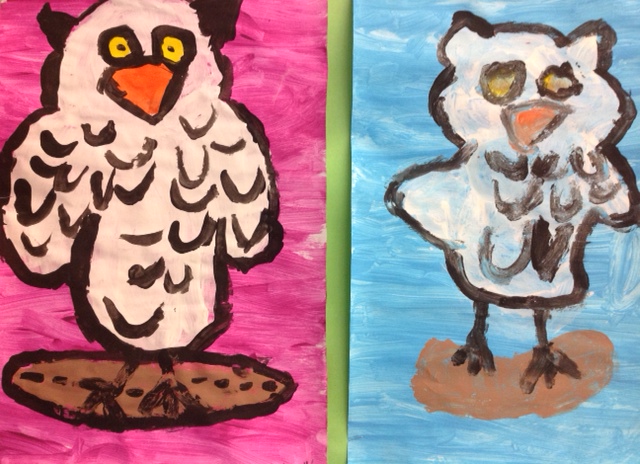
Owl Moon by Jane Yolen, illustrated by John Schoenherr. owlbook


We love big art projects, and this one takes several art classes to complete. It’s important for the children to understand that many great things are completed slowly, over time. By undertaking a multi-step project like this, we can help the children to develop patience and an appreciation of the process involved in creating something special.

The children selected magenta or turquoise to paint their background for the first art session. Then, after the paint had dried, the children followed our step-by-step instructions to paint the owl in white. For our third class, we painted in the details.


owls1

 Again, this art idea is from Deep Space Sparkle.

 We have to admit, painting with 21 students on a big scale like this still makes us nervous. But the Kindergarten always takes everything in stride and as usual, they were fabulous in managing their paintbrushes, the multiple paint colours and the oversized paper on small tables. We didn’t spill a drop of paint on the floor and carpets, and our clothing only suffered minimal damage.

owls2

Is there anything cuter than these painted owls? Of course!…… Our Kindergarten children. They are definitely the cutest!

Time to Cosy Up with a Good Winter Book

photo-5We had such an awesome response to our Christmas book list that we thought we would write up another one for you.

We’ve been learning about the seasons and seasonal changes in Kindergarten, and of course we’re focusing on Winter right now. We’ve made some amazing art projects, we’re starting to use frame sentences and next month we start ice-skating as part of our school’s Winter sports program.

But we think the best part of Winter is the chance to cosy up with a good book! We love bringing our classes together at the meeting area and inviting the children to sit closely together to listen to a great story. Here are the books we’ve read recently to our classes.

Winter Book List

Fiction

  • The Hat (Jan Brett)
  • The Mitten (Jan Brett)
  • Snowmen at Night (Caralyn Buehner, illustrated by Mark Buehner)
  • The Mitten Tree (Candace Christiansen, illustrated by Elaine Greenstein)
  • The First Day of Winter (Denise Fleming)
  • Stella Queen of the Snow (Marie-Louise Gay)
  • I See Winter (Charles Ghigna, illustrated by Ag Jatkowska)
  • The Snowy Day (Ezra Jack Keats)
  • The Missing Mitten Mystery (Steven Kellogg)
  • Sadie and the Snowman (Allen Morgan, illustrated by Brenda Clark)
  • Owl Moon (Jane Yolen, illustrated by John Schoenherr)
  • Jolly Snow (Jane Hissey)
  • A Bed for Winter (Karen Wallace)
  • Over and Under the Snow (Kate Messner, illustrated by Christopher Silas Neal)
  • The Biggest, Best Snowman (Margary Cuyler, illustrated by Will Hillenbrand)

Non Fiction

  • Winter Wonderland (Jill Esbaum)
  • Winter (Nuria Roca)
  • Winter (Sian Smith)

Here’s hoping you find time to read some good books yourself!

Library Visit – January 5th to 9th, 2015

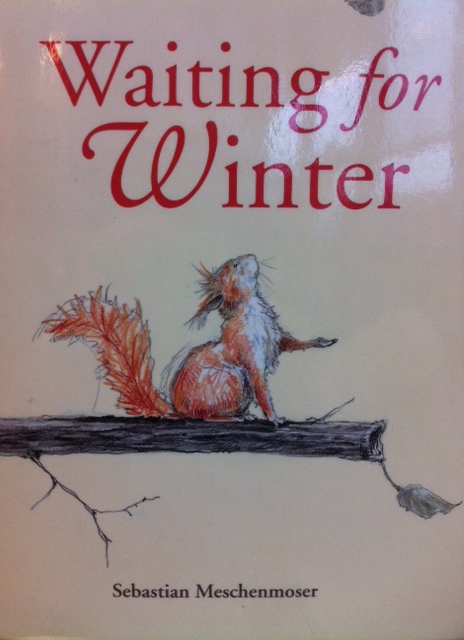
andrea 1This week the children listened to Waiting for Winter by Sebastian Meschenmoser.

As part of their post-discussion, the children brainstormed various animals and the ways in which those animals hibernated.

From their brainstormed ideas, you can see that the children have sorted their facts and identified several animals they still wonder about (those statements are marked with a question mark) that bear further investigation.


Hibernationandrea 2

-bear(s) have a very long sleep

-squirrels go up to their nest and sleep

-iguanas sleep ?

-turtles go to sleep underwater ?

-ladybugs sleep under a log ?

-bees hibernate in their hive

-crocodiles go under the sand to sleep ?

-squirrels store food for the winter

-skunks crawl in to their den ?

-bears eat lots of fish before they go to their tunnel to sleep